


- Tel:0086-519-83783531
- cel:0086-13961177625
- E-mail:jianglijing1022@126.com
- add:cheng zhang Jia zeTown Wujin District, Changzhou City, Jiangsu Province
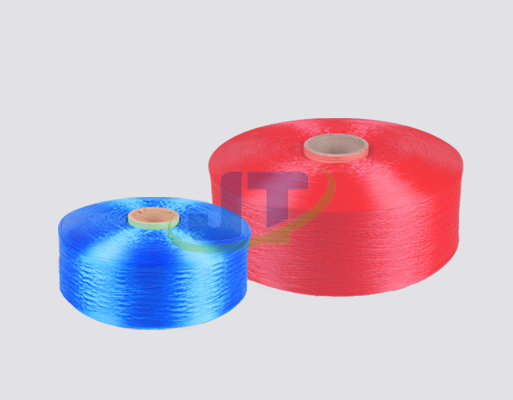
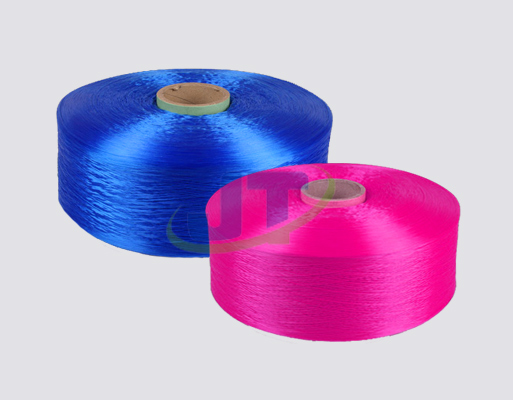
China’s industrial textile market keeps expanding with diversified downstream scenarios. Sectors including rope‑net webbing, geotechnical engineering, home textile decoration and artificial turf put forward more personalized requirements on specification, function and color of polypropylene fibre. Whole‑chain production helps chemical‑fibre manufacturers improve market responsiveness. The whole‑chain mode covers polypropylene raw‑material feeding, filament spinning, air‑texturing and base‑fabric weaving, so manufacturers can coordinate each working procedure and control comprehensive product quality.
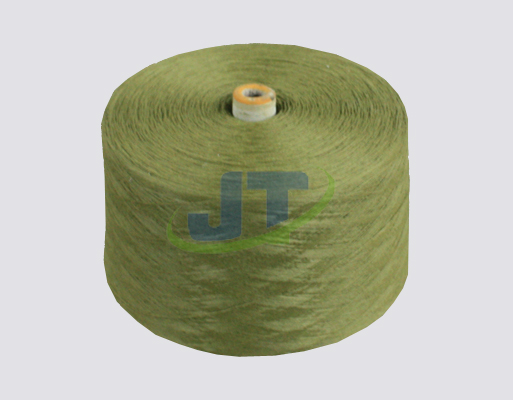
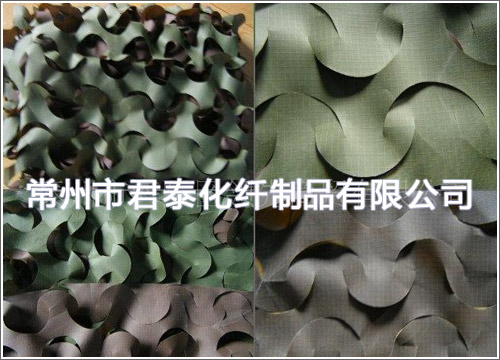
Under segmented purchasing mode, raw‑material supply, spinning and post‑processing are completed by separate factories. Troubleshooting and parameter adjustment will take long time once quality defects occur. For enterprises adopting whole‑chain production, spinning parameters, air‑texturing conditions and base‑fabric weaving settings can be adjusted according to downstream working scenarios. Manufacturers can supply FDY high‑tenacity and normal‑tenacity polypropylene filament, process polypropylene ATY air‑textured yarn, and produce carpet & artificial‑turf base fabric to realize multi‑product supply.
For overseas orders, whole‑chain production facilitates unified quality standards to satisfy different requirements on color fastness and physical performance from global clients. Embedded dope‑dyeing process supports small‑and‑medium‑batch orders of various color shades for home textile and decorative‑fabric development. In‑house testing runs through production procedures to inspect yarn evenness, mechanical indicators and base‑fabric appearance, and reduce batch‑to‑batch fluctuation.
Downstream purchasers are suggested to fully communicate end‑use, equipment condition and product specifications with suppliers. Relying on technical advantages of whole‑chain manufacturers, joint sampling and debugging shorten new‑product R&D cycles. Upstream‑downstream cooperation promotes steady development of polypropylene industry toward differentiation and customization.
- Whole‑chain Production Mod
- Impurity Control And Post‑
- Observation on Full‑chain
- Process Characteristics and Dive
- Effects Of Storage Management Fo
- Influence Of Heat‑Setting
- Practical Control for Storage, T
- Procurement Tips for Matching St
- Polypropylene ATY Yarn Specifica
- Is the hand feel of the acrylic