


- Tel:0086-519-83783531
- cel:0086-13961177625
- E-mail:jianglijing1022@126.com
- add:cheng zhang Jia zeTown Wujin District, Changzhou City, Jiangsu Province
High‑strength polypropylene yarn is widely applied in load‑bearing products such as webbing, rope nets and geotextile goods. Many factories adopt handling methods for ordinary polypropylene multifilament. Poor management during storage, transportation, twisting and weaving will cause invisible yarn damage. Even if raw‑material test reports are qualified, strength loss and increased fuzz may still occur after processing.
During loading and transportation, bobbins of high‑strength polypropylene yarn shall be well‑packaged. Dropping and heavy impact are forbidden. Highly‑drawn high‑strength yarn features oriented macromolecular structure. Violent impact generates invisible micro‑cracks inside filaments, which later develop into fuzz and breakage during twisting and weaving. Stacking height shall be limited to prevent bobbin deformation and yarn layer compression damage for bottom bobbins.
Warehouses shall be dry, well‑ventilated and sheltered from strong light. Polypropylene features good acid‑alkali resistance yet poor UV resistance. Long‑term sunlight exposure triggers photo‑oxidative aging and gradually reduces fiber breaking strength. Keep raw materials away from continuous high‑temperature heat sources and corrosive substances. Keep outer packages intact to reduce dust adhesion on yarn surface.
During twisting and weaving, unwinding tension for high‑strength polypropylene yarn shall be properly adjusted. Excessive tension brings extra tensile load and causes strength loss. Insufficient tension leads to slack unwinding, tangled yarn and overlapping filaments. Small‑batch trial‑run helps optimize tension setting by observing fuzz and breakage frequency. Proper workshop humidity adjustment suppresses static‑electric floating yarn and improves processing smoothness.
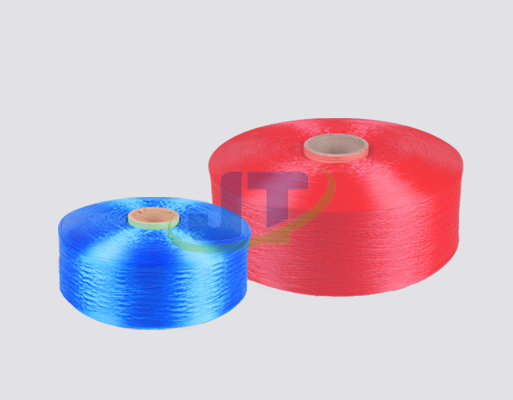
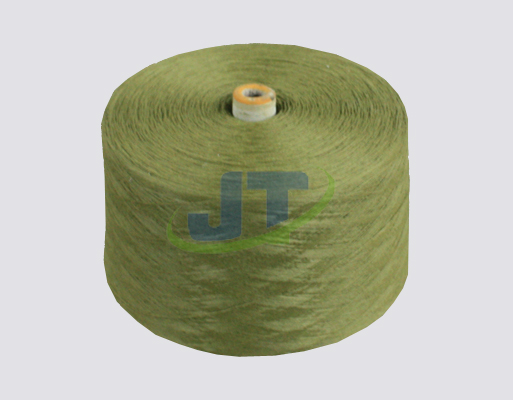
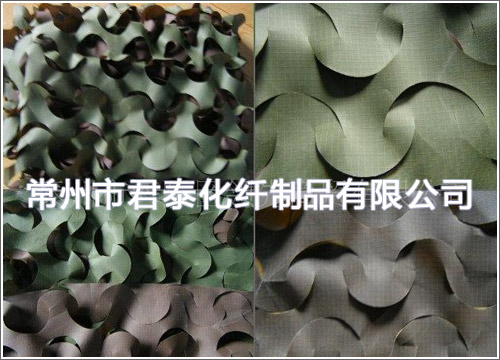
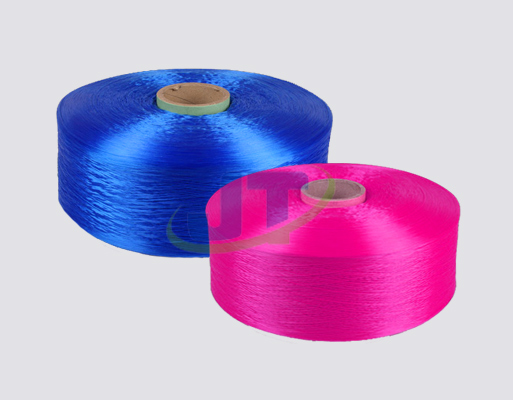
High‑strength polypropylene yarn manufactured by Changzhou Juntai Chemical Fiber Products Co., Ltd. passes dual inspection for winding appearance and mechanical performance before delivery. Sealed packaging lowers damage risks in transit and storage. Practical process suggestions for twisting and weaving are available for customers.
Proper storage‑transport protection and optimized processing parameters retain original mechanical performance of high‑strength polypropylene yarn, reduce performance loss during manufacturing, and improve yield and service safety of finished rope nets and webbing products.
- Practical Control for Storage, T
- Procurement Tips for Matching St
- Polypropylene ATY Yarn Specifica
- Is the hand feel of the acrylic
- From Fiber Production to Downstr
- From Strength Parameters to Proc
- Domestic and Foreign Markets Rec
- Deep Cultivation of Full‑c
- Expanding Demand for Industrial
- How to Select High‑Tenacit