


- Tel:0086-519-83783531
- cel:0086-13961177625
- E-mail:jianglijing1022@126.com
- add:cheng zhang Jia zeTown Wujin District, Changzhou City, Jiangsu Province
As industrial textiles become increasingly application-specific, fiber selection is no longer determined by a single physical property. For ropes, webbing, nets, and certain industrial fabrics, the material needs to provide appropriate mechanical performance while maintaining stable behavior during downstream processing. The connection between fiber properties and weaving, braiding, or rope-making processes has therefore become an important consideration in material selection.
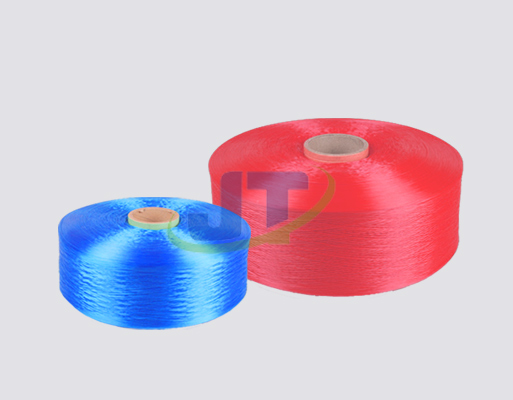
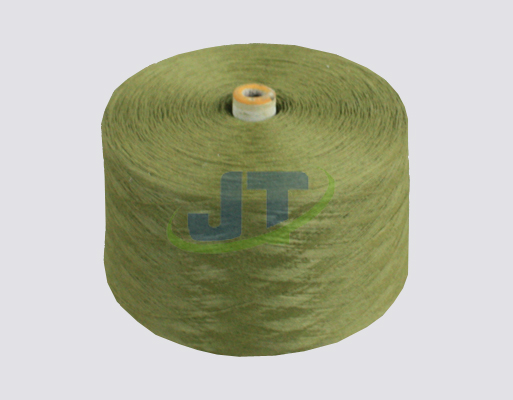
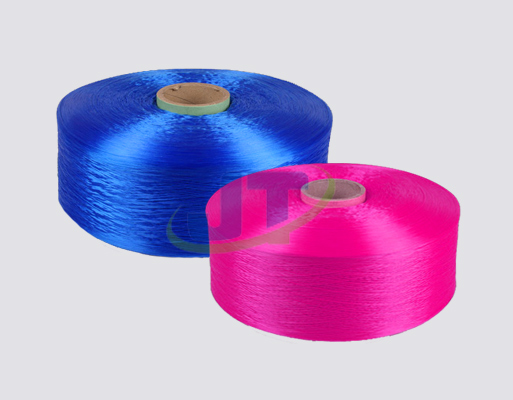
High-strength polypropylene yarn is produced from polypropylene through spinning, drawing, and related processes to achieve the required mechanical properties. Polypropylene has a relatively low density and good resistance to various chemical media, giving it a practical foundation for selected industrial textile applications. Where both low material weight and tensile performance are considered, density, linear density, tenacity, and elongation need to be evaluated together rather than separately.
During production, the consistency of High-strength polypropylene yarn can be influenced by raw material conditions, melt temperature, drawing parameters, cooling, and winding. In continuous spinning processes, changes in process conditions may affect yarn uniformity and subsequent processing performance. As a result, product evaluation should not rely solely on an individual test value, but should also consider the customer’s equipment and actual processing conditions.
Such process-oriented technical development is closely related to the consistency required in filament manufacturing. From spinning and forming to winding and subsequent weaving or rope-making, each stage can influence final processing performance. In continuous production environments, yarn condition, package quality, and unwinding behavior are also important factors for downstream users.
From a purchasing perspective, selecting High-strength polypropylene yarn requires consideration of product specifications and mechanical properties together with processing equipment, fabric construction, and end-use conditions. For customers with clearly defined applications, confirming yarn specifications and processing methods at an early stage can help reduce repeated adjustments during trial production.
As industrial textile applications continue to diversify, the value of High-strength polypropylene yarn will increasingly depend on the balance between material performance and processing compatibility. For fiber manufacturers, continuous process optimization, consistent product quality, and a clear understanding of downstream requirements can help translate material specifications into practical application performance.
- From Fiber Production to Downstr
- From Strength Parameters to Proc
- Domestic and Foreign Markets Rec
- Deep Cultivation of Full‑c
- Expanding Demand for Industrial
- How to Select High‑Tenacit
- Polypropylene high-strength fibe
- How to select high-strength poly
- Performance Analysis & Multi-sce
- Industrial Polypropylene Fiber U