


- Tel:0086-519-83783531
- cel:0086-13961177625
- E-mail:jianglijing1022@126.com
- add:cheng zhang Jia zeTown Wujin District, Changzhou City, Jiangsu Province
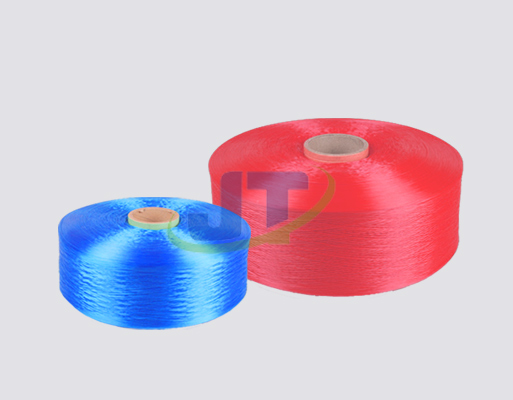
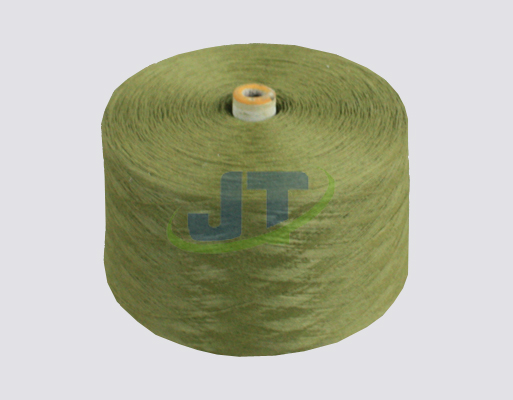
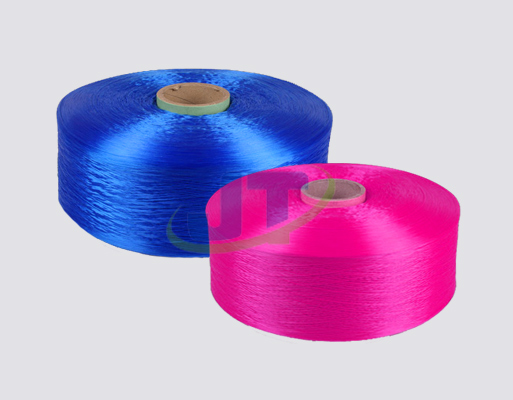
In the industrial textile market, polypropylene high-strength yarn, as a common industrial substrate, is seeing its application scope continuously expand. The reason why this material is accepted by multiple fields such as safety nets, conveyor belts, and fire hoses is directly related to its physical performance indicators and the maturity of the production process.
From a physical perspective, the single filament strength of conventional polypropylene high-strength yarns can reach over 8.5g/d. This high-strength characteristic enables it to meet mechanical requirements with a lighter weight when replacing traditional industrial fibers. The density of polypropylene material itself is relatively low, approximately 0.91g/cm. This means that products made from polypropylene high-strength fibers, such as lifting belts or ropes, not only have sufficient strength but also significantly reduce their own weight, making them easier for workers to carry and lay.
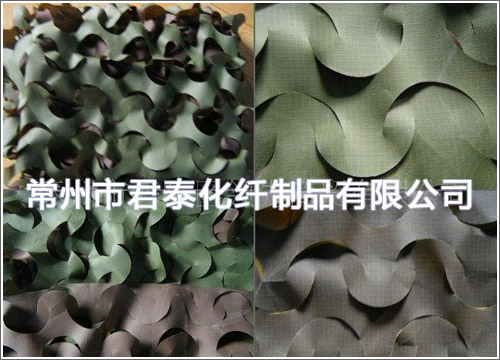
In addition to being lightweight and high-strength, this product has also been improved in terms of environmental adaptability. The early polypropylene fibers had poor weather resistance, but the high-strength fibers produced through process improvements now have certain anti-aging properties. They can maintain stable performance for a long time in outdoor scenarios such as awning fabrics and safety nets. Moreover, their heat shrinkage rate is controlled within a specific range. For example, at 130℃, the heat shrinkage rate is less than 5%, which enables it to maintain dimensional stability even when exposed to heat, and is not prone to deformation, meeting the usage requirements of friction-generated heat scenarios such as conveyor belts.
In terms of structural design, the fineness range of polypropylene high-strength yarns is very wide, covering specifications from 250D to 2000D and even thicker ones. This wide range of fineness options provides flexibility for downstream weaving processes. Fine denier fibers can be woven into tight filter cloths for liquid or gas filtration in industries such as chemical processing; thick denier fibers are used to weave high-strength lifting belts and binding straps. At the same time, the appropriate twist design (40-200 twists per meter) enhances the cohesion between fibers, improving the wear resistance and overall structural strength of the fabric.
With the increasingly abundant supply of domestic polypropylene raw materials, the cost-performance advantage of polypropylene high-strength yarn, as the basic material for industrial textiles, will become even more prominent. In the future, the process of replacing traditional materials in more industrial fields is expected to accelerate further.
Changzhou JunTai Chemical Fiber Products Co., Ltd. is located in Wujin District, Changzhou City, Jiangsu Province. We produce every product based on the quality policy of "scientific management, all-staff participation, continuous improvement, and meeting users' needs". In order to remain invincible in the market competition, the company has always pursued quality for survival and adhered to the principles of "quality first, reputation first, timely delivery, and reasonable price". It upholds the business philosophy of "customer first, enterprising and innovative", and insists on the principle of "customer first" to provide high-quality services to our customers, thus winning unanimous praise from them. Facing the challenges of the market economy, Changzhou JunTai Chemical Fiber Products Co., Ltd. will participate in the market competition with high-quality products and sincere services, and strive to become an advanced enterprise.
- Practical Control for Storage, T
- Procurement Tips for Matching St
- Polypropylene ATY Yarn Specifica
- Is the hand feel of the acrylic
- From Fiber Production to Downstr
- From Strength Parameters to Proc
- Domestic and Foreign Markets Rec
- Deep Cultivation of Full‑c
- Expanding Demand for Industrial
- How to Select High‑Tenacit